×
Dennis Mohatt to Retire After 25 Years of Leadership
Statement from WICHE President Demarée Michelau:
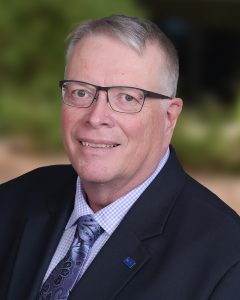
After two decades, Dennis Mohatt, Vice President, Behavioral Health for the Western Interstate Commission for Higher Education (WICHE), has announced that he is retiring at the end of this year. Dennis has been a trusted colleague, friend, and a tireless champion for strengthening behavioral health services across the country.
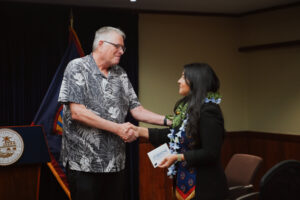
Since 2001, Dennis has been a defining leader of WICHE’s Behavioral Health Program. His work has resulted in the program’s growth in visibility, impact, and national relevance. Because of his engagement with the Pacific Behavioral Health Collaborating Council, and his support for capacity-building efforts in jurisdictions such as the Commonwealth of the Northern Mariana Islands and Guam, WICHE’s partnerships and project work across the U.S. Pacific region has been markedly strengthened. Dennis also played a key role in advancing WICHE membership discussions across the Pacific region during a period of leadership transition. His steady engagement ensured continued progress at a critical time for WICHE.
Prior to his work at WICHE, he provided direct clinical care and lead a rural community mental health center in Michigan’s Upper Peninsula, served as Nebraska’s Commissioner of Mental Health, and contributed as a chief consultant to the President’s New Freedom Commission on Mental Health. It is no shock then, that Dennis was nominated and selected for the Award for Distinguished Contributions to Practice in Community Psychology from Division 27 of the American Psychological Association, honoring his work at WICHE. He has recently accepted an appointment to the Suicide Prevention Resource Center’s Technical Expert Panel (SPRC). Funded by the U.S. Department of Health and Human Services Substance Abuse and Mental Health Services Administration (SAMHSA), the panel will serve as a body of thought leaders who will advance and amplify SPRC’s strategic goals. SPRC advances effective suicide prevention nationwide through free consultation, training, and tools for community organizations and coalitions; workplaces; state and Tribal leaders; health/behavioral health systems; professionals and professional education programs; and national public and private partners.
“Stepping away from WICHE is not an easy decision,” Dennis said. “What makes it easier is knowing that our efforts to expand behavioral health will continue and thrive thanks to my extraordinary colleagues. I am grateful for a career that has allowed me to connect the wide expanse of our region into a network of cooperation with a singular aim: easing pain. Thank you for this remarkable journey.”
Dennis’ last day will be December 31, 2026. Although we will deeply miss Dennis’ leadership and presence, we are profoundly grateful for all he has contributed and the chance to work alongside him. We wish Dennis a happy and healthy next phase of his life.